For veterinarian practices, the phones aren’t defunct simply because the practice closes. Pets become sick during the night and clients are anxious on weekends, and calls aren’t always answered at convenient times. When those calls go unanswered, sent to voicemail, or routed to a generic answering service that has no medical understanding, the outcome is usually furry pet owners, stress for the veterinarians who are on call, as well as missed opportunities for the practice.
The need for after-hours phone calls is an integral component of the veterinary profession. A good veterinary answering system can do more than simply picking up the phone. It is able to help practices maintain client relationships, guide pet parents to the next optimal step and reduce the pressure on their staff. After-hours care is not a luxury anymore in the current veterinary industry. This is how a practice provides continuity of health care.
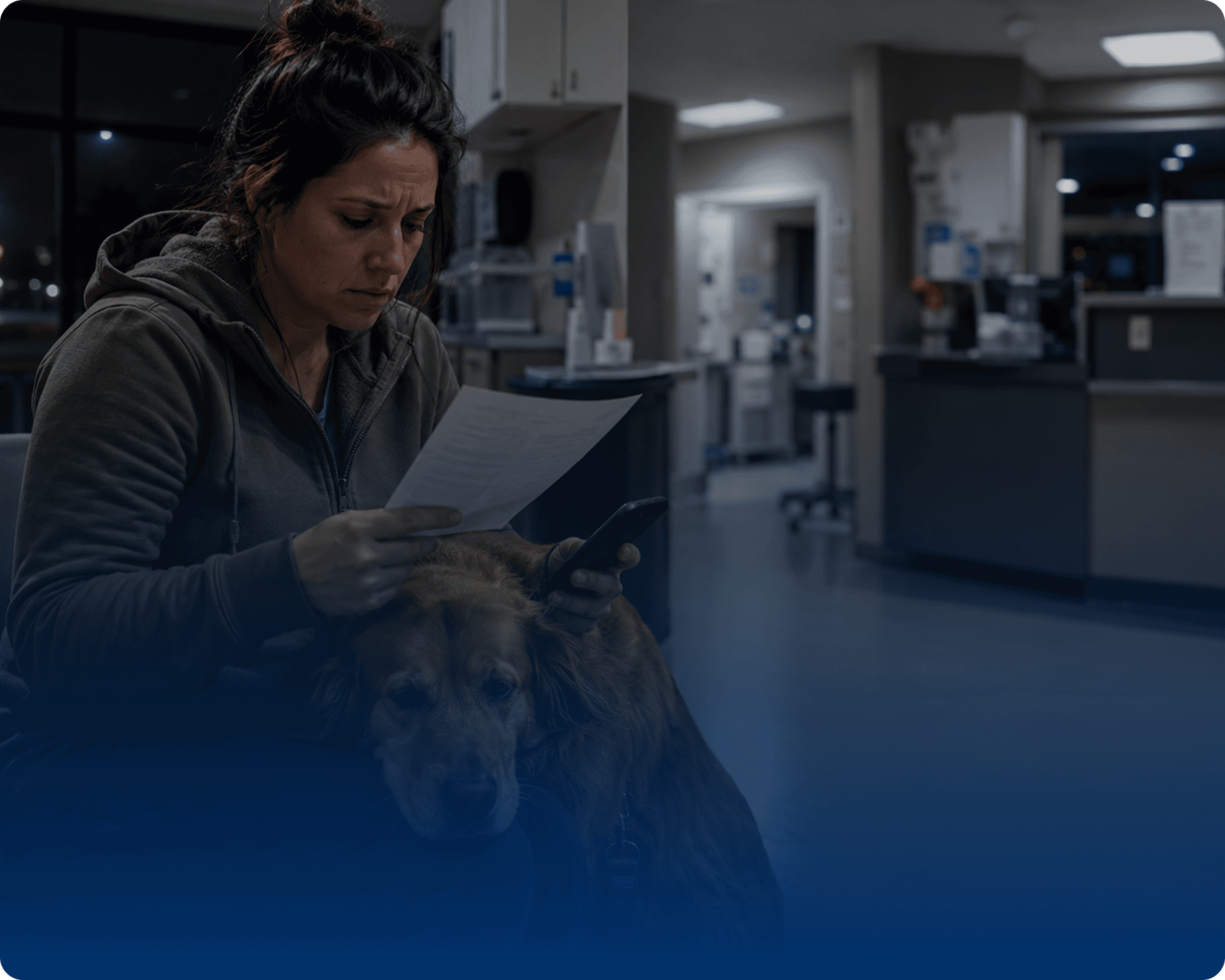
Image credit: guardianvets.com
Not all answering solutions are made for veterinary use.
There is a major difference between a generic answering service and a specialized vet answering service built specifically for animal hospitals. In a veterinary setting aren’t always easy. A client may be worried about exposure to toxic substances or post-surgical complications, vomiting breath changes or whether their pet needs immediate emergency treatment. Those situations require more than sending messages. They require judgement, organization and a calm voice from someone who understands the processes and demands of veterinary medicine.
GuardianVets is unique in this regard. Instead of operating as a call center GuardianVets is an veterinary support partner that is which is run by a credentialed veterinarian. That distinction matters. A trained technician can assess the nature of the call, follow the clinic’s triage and escalation protocols, help the pet owner understand the level of urgency, and direct them toward the right next step without stepping outside the boundaries of the veterinary-client-patient relationship.
A veterinary triage service aids everyone make better decisions
A true veterinary triage system can offer clarity during times of stress. Pet owners are often unable to be aware of whether a problem can be delayed until the next day, whether they’ll need to make an additional appointment or require urgent medical attention. Many pet owners aren’t able to decide if they should seek urgent care or go to the emergency room.
This gap can be closed with triage. It gives pet owners a knowledgeable individual to speak to, eliminates confusion, and assists practices in ensuring urgent cases are escalated accordingly, while other complaints are properly documented and sent to the appropriate person. This helps vets avoid being interrupted by cases which do not really require medical intervention during the evening. This could have a huge effect on the balance between work and life in hospitals, where doctors shoulder the clinical load during the day while also working night shifts.
The right veterinary call center should fit your workflows, not fight them
A modern call center for veterinary medicine cannot function as a isolated service, positioned outside your practice. It should be an extension of your team. This means that it must comprehend your appointment guidelines, your emergency protocols, your escalation paths, and even your communication preferences. It also means integrating your PIMS, so the triage notes as well as schedule results flow into the existing system used by your team.
GuardianVets was developed around this idea. Its process consists of assessing gaps in call coverage, mapping how client communication is being handled and establishing a workflow that reflects the actual practice instead of squeezing the clinic to conform to a rigid structure. It’s a major change from traditional answering businesses, who often just capture messages and then leave it for the clinic.
It’s not just convenience that is the primary benefit of better coverage after hours
A reliable after-hours answering system for vet practices does more than just help reduce the number of missed calls. It aids in maintaining trust between clients during times of stress, keep more cases in the practice network if it is needed, and gives teams a more sustainable way to manage after-hours demand. It also helps increase the revenue collection process by turning weekends or night-time inquiries into booked appointments instead of lost opportunities.
This gives pet owners peace of mind that they will be able to get help if needed. That kind of support matters deeply in veterinary medicine because after-hours calls are rarely just operational. They are usually emotional. They are emotional.
GuardianVets offers a unique service for hospitals who want to improve care for clients as well as the overall wellbeing of their teams. It goes far beyond the standard veterinary answering services. It allows practices to remain available for patients, even if clinic doors are closed, through integrating workflows medical triage, compassionate communication.